How to Rank Your College Website on Google for Admission Keywords?
Getting your college website to appear on the first page of Google isn't just about luck or having a fancy design. It's about strategy, consistency, and understanding exactly what prospective students are searching for when they're looking for their next educational home. In today's digital age, your college website serves as the first impression for thousands of potential students and their parents who are researching educational institutions online.
When families start their college search journey, they don't flip through brochures anymore. They open Google and start typing. If your college website doesn't show up in those critical first few search results, you're losing qualified applicants to competitors who have mastered search engine optimization. This comprehensive guide will walk you through proven strategies to boost your college website's visibility for admission-related keywords that matter most to your enrollment goals.
Understanding the Search Landscape for College Admissions
Before diving into tactics, you need to understand what prospective students actually search for when researching colleges. They're not just typing "colleges near me" and calling it a day. Students and parents conduct detailed research using specific phrases like "best engineering colleges in Noida," "affordable liberal arts colleges with financial aid," or "colleges with strong pre-med programs and research opportunities."
Your goal is to rank for these specific admission keywords that match your institution's strengths and offerings. High-volume generic terms are competitive, but long-tail keywords related to your specific programs, location, and unique value propositions offer easier wins. Start by creating a comprehensive list of every program, degree, scholarship, facility, and differentiator your college offers that students might search for online.
Google Search Console and tools like SEMrush or Ahrefs can show you which keywords already bring traffic to your site. Look at what's working and what's not performing despite being relevant to your offerings. This data-driven approach prevents you from optimizing for keywords that sound good but don't actually drive qualified applicant traffic to your admission pages.
Foundation: Technical SEO Basics for College Websites
Your website's technical foundation determines whether Google can even properly crawl and index your pages in the first place. Many college websites suffer from technical issues that prevent them from ranking well regardless of content quality. Slow page loading speeds frustrate both users and search engines, causing higher bounce rates and lower rankings across the board.
Responsive website design is absolutely non-negotiable in today's mobile-first indexing environment where Google primarily uses mobile versions for ranking. Every page, form, and navigation element must function perfectly on screens of all sizes without requiring zooming or horizontal scrolling.
Site architecture matters tremendously for both user experience and search engine crawling efficiency throughout your entire domain. Create a logical hierarchy where your homepage links to main category pages (Admissions, Academics, Student Life, etc.), which then link to specific program pages and detailed content. Keep important admission pages within three clicks of your homepage so Google recognizes their significance and students can find critical information quickly.
Implement proper schema markup specifically designed for educational organizations to help Google understand your institution's details. This structured data tells search engines about your programs, campus locations, accreditations, and application deadlines in a format they can easily parse. Rich snippets generated from schema markup make your listings stand out in search results with additional information like ratings and quick facts.
Fix all broken links and redirect outdated URLs properly using 301 redirects to preserve link equity and user experience. College websites often accumulate broken links over years as programs change, faculty move, and pages get reorganized. Run regular audits using tools like Screaming Frog to identify and fix these issues before they hurt your rankings.
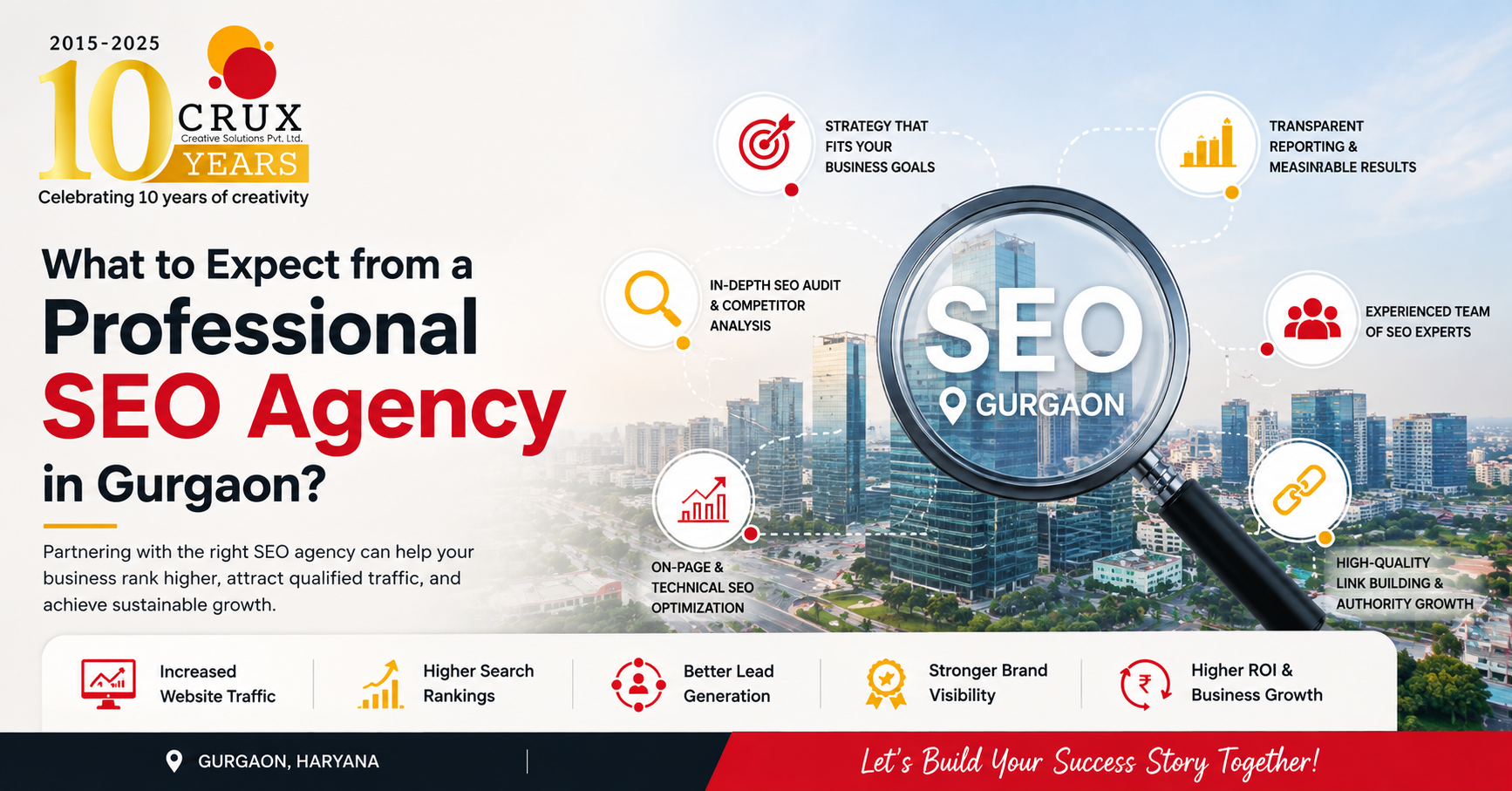
To ensure these technical SEO fundamentals are implemented effectively, partnering with a professional SEO agency in Gurgaon can help colleges achieve better search visibility and performance.
Content Strategy That Attracts Prospective Students
Content is where most college websites either succeed brilliantly or fail miserably at ranking for admission keywords they care about. Generic, recycled content that could describe any institution doesn't rank well and doesn't convince students to apply. You need specific, detailed, helpful content that answers the exact questions prospective students are asking during their research process.
Create dedicated landing pages for every single academic program you offer with substantial, unique content on each page. A mechanical engineering program page should go far beyond listing course requirements—include career outcomes, faculty research highlights, lab facilities, internship partnerships, student testimonials, and what makes your program distinctly different from competitors. These comprehensive program pages naturally incorporate relevant keywords while providing the detailed information students desperately want.
Develop an admission blog that addresses every conceivable question students and parents have throughout the application journey consistently. Topics should cover application tips, financial aid guidance, campus visit preparation, housing selection advice, major selection help, and student success stories. Each blog post targets specific long-tail keywords that prospective students actually search for when they're trying to make enrollment decisions.
Student success stories and alumni testimonials provide powerful content that ranks well and persuades readers to take action. Write detailed profiles featuring specific students discussing their journey from application through graduation and career placement. Include their hometowns, programs, activities, challenges overcome, and current positions to create rich, keyword-optimized content that resonates emotionally.
Virtual tour content and detailed facility descriptions help you rank for location-based and facility-specific searches effectively. Instead of just pretty photos, add detailed written descriptions of your library resources, laboratory equipment, athletic facilities, dormitories, and campus landmarks. This text content gives Google something to index while enhancing the user experience for virtual visitors.
Read Also : How to Creating Quality and Engaging Content for SEO
Optimizing On-Page Elements for Maximum Visibility
On-page optimization involves making strategic adjustments to individual pages that signal relevance to search engines for your target keywords. Title tags remain one of the most important ranking factors, so craft unique, compelling titles for every page that include primary keywords naturally. For example, "Mechanical Engineering Degree Program | ABC University Admissions" works better than just "Mechanical Engineering."
Meta descriptions don't directly impact rankings but dramatically affect click-through rates from search results pages, which indirectly helps rankings. Write compelling 150-160 character descriptions that include target keywords and clearly communicate what users will find on the page. Think of meta descriptions as advertisement copy designed to convince searchers to choose your listing over competitors.
Header tags (H1, H2, H3) provide structure that helps both users and search engines understand your content hierarchy and main topics. Use your primary keyword in the H1 tag naturally, then incorporate related keywords and questions in H2 and H3 subheadings. This organization improves readability while strengthening topical relevance signals to Google's algorithms.
Image optimization is frequently overlooked but critically important for college websites loaded with campus photos and graphics everywhere. Compress images to reduce file sizes without sacrificing visual quality, dramatically improving page load speeds across your site. Add descriptive alt text to every image that includes relevant keywords when appropriate, helping visually impaired users and giving Google additional context.
Internal linking between related pages on your site distributes link equity and helps search engines discover and understand content relationships. Link from your main admission page to specific program pages, then from program pages to related faculty profiles, research centers, and student resources. Use descriptive anchor text that includes keywords rather than generic "click here" or "learn more" phrases.
Read Also : On-Page SEO : 12 Effective Techniques
Local SEO for Regional Student Recruitment
Many colleges draw heavily from specific geographic regions, making local SEO crucial for reaching students in your primary recruitment areas. Claim and fully optimize your Google Business Profile with accurate information, photos, posts, and regular updates about campus events. This free listing often appears prominently in local search results when students search for colleges in your city or state.
Create location-specific landing pages if you have multiple campuses or strong recruitment regions you want to target strategically. A page optimized for "colleges in Delhi NCR" or "best universities in Gurgaon" can capture location-based searches. Include local landmarks, neighborhood descriptions, community partnerships, and regional employment opportunities to strengthen local relevance signals.
Build citations in educational directories, local business listings, and college review sites to establish geographic authority and credibility. Consistent NAP (Name, Address, Phone) information across all platforms tells Google your location data is accurate and trustworthy.
Encourage reviews on Google, Facebook, and educational review platforms from current students, alumni, and parents who can speak authentically. Positive reviews improve local rankings while providing social proof that persuades prospective students reading them. Respond professionally to all reviews, both positive and negative, demonstrating your institution's commitment to student satisfaction and continuous improvement.
Link Building Strategies for Educational Institutions
Backlinks from authoritative websites remain among the strongest ranking factors in Google's algorithm, signaling trust and authority to search engines. Quality matters far more than quantity—one link from a respected educational organization or news publication provides more value than dozens of links from low-quality directories or spam sites.
Partner with high schools in your recruitment regions for mutually beneficial linking opportunities that serve students well. Offer to provide college planning resources, guest blog posts about application tips, or virtual presentation materials in exchange for links back to your admission pages. These relevant, authoritative links from educational institutions carry significant SEO weight.
Create scholarship programs that attract links naturally from scholarship directory sites, financial aid resources, and education blogs covering funding opportunities. Unique, generous scholarships generate press coverage, social sharing, and backlinks from sites helping students find financial assistance. The SEO benefit compounds with the enrollment benefit of attracting qualified applicants.
Develop original research, surveys, or reports about higher education trends, student outcomes, or industry topics related to your programs. Journalists and bloggers constantly search for data to support their articles and will link to credible original research. This earns high-quality editorial links while positioning your institution as a thought leader in educational circles.
Faculty expertise provides another natural link building opportunity through media interviews, expert quotes, and contributed articles to industry publications. Promote your professors as subject matter experts available for media commentary and encourage them to publish in respected outlets. These authoritative links boost your domain authority while increasing institutional visibility generally.
The Role of Professional Website Design in SEO
Your website's design directly impacts SEO performance in ways that many institutions don't fully appreciate or prioritize adequately. Professional website design isn't just about aesthetics—it's about creating an intuitive user experience that keeps visitors engaged and searching. High bounce rates and short session times signal to Google that your site doesn't satisfy user intent well.
Custom website design tailored specifically to your institution's needs and audience performs better than generic templates used by thousands of other websites. Custom designs allow you to prioritize admission-related content prominently, create unique user pathways for different audience segments, and implement conversion-focused elements strategically. Generic templates force your content into predetermined structures that may not align with SEO best practices.
Business website design principles apply equally to educational institutions seeking to convert website visitors into actual enrolled students efficiently. Clear calls-to-action, streamlined application processes, prominent contact information, and persuasive messaging throughout the site encourage visitor engagement. Google rewards sites that successfully satisfy user intent, so conversion-focused design indirectly improves rankings.
Corporate website design strategies around professional branding, credibility signals, and trust-building elements help college websites compete for competitive admission keywords. High-quality photography, professional typography, consistent branding, polished content, and security certificates all contribute to perceived authority. While not direct ranking factors, these elements improve user engagement metrics that Google monitors closely.
Working with experienced website design services ensures your college site meets modern SEO requirements and user expectations simultaneously. Professional designers understand current best practices for mobile optimization, page speed, accessibility, navigation structure, and conversion optimization. Attempting DIY website design often results in fundamental flaws that limit your SEO potential regardless of content quality.
Read Also : Standards Checklist for Designing Website or Webpage
Content Freshness and Regular Updates
Google favors websites that regularly publish fresh, relevant content over static sites that never change or grow. Establish a consistent publishing schedule for your admission blog, program updates, student features, and campus news to signal ongoing relevance. Even updating existing pages with new information, statistics, or testimonials tells search engines your content stays current and accurate.
Seasonal admission content should be updated annually to reflect current application deadlines, requirements, tuition rates, and program offerings accurately. Outdated information frustrates prospective students and hurts your credibility with both users and search engines alike. Set calendar reminders to review and refresh time-sensitive pages before each admission cycle begins.
Event coverage and campus news provide regular opportunities to publish keyword-rich content that attracts prospective student interest naturally. Open houses, admitted student days, scholarship competitions, and special programs all deserve detailed coverage with photos and descriptions. This real-time content demonstrates an active, engaging campus community while targeting various admission-related search queries.
Answer new questions that emerge from admission counselors, campus tour feedback, and social media conversations with prospective students regularly. These questions reveal gaps in your current content and opportunities to rank for searches you're currently missing. A quick blog post or FAQ entry addressing common questions can capture search traffic from dozens of similar queries.
Measuring Success and Adjusting Strategy
SEO isn't a one-time project but an ongoing process requiring continuous monitoring, analysis, and refinement over time patiently. Set up Google Analytics and Google Search Console properly to track organic traffic, keyword rankings, user behavior, and conversion metrics. These free tools provide essential data showing what's working and where opportunities exist for improvement.
Track rankings for your target admission keywords weekly or monthly to identify trends and measure optimization impact. Don't obsess over daily fluctuations but look for sustained improvement over weeks and months of consistent effort. Tools like SEMrush, Ahrefs, or Moz can automate ranking tracking and alert you to significant changes requiring attention.
Monitor organic traffic to key admission pages to ensure your SEO efforts translate into actual visitor increases where it matters. Overall traffic growth means nothing if your most important conversion pages aren't benefiting from improved visibility. Segment analytics data to understand which keywords and pages drive the highest quality prospective student traffic.
Analyze user behavior metrics like bounce rate, time on page, and pages per session to assess content quality and relevance. High engagement signals indicate content that satisfies user intent well and deserves further optimization and promotion. Poor engagement suggests content misalignment with user expectations despite ranking, requiring content revision rather than just more linking.
Conclusion: Patience and Persistence Win
Ranking your college website for competitive admission keywords doesn't happen overnight regardless of how perfectly you execute these strategies. Search engine optimization requires months of consistent effort before significant results become visible in traffic and rankings. The colleges dominating search results today invested heavily in SEO for years, building authority and trust that new efforts can't instantly replicate.
Start with quick wins targeting less competitive long-tail keywords while building foundation for bigger keyword targets over time. Celebrate incremental progress like moving from page three to page two in search results, which represents real improvement. Maintain consistent effort publishing quality content, building authoritative links, and improving technical performance month after month.
Remember that SEO serves your ultimate goal of enrolling qualified students who will thrive at your institution successfully. Don't pursue rankings for keywords that attract the wrong audience or compromise user experience for minor SEO gains. The best SEO strategy aligns perfectly with excellent communication, genuine helpfulness, and authentic representation of your educational offerings.
Invest in website design services and SEO expertise if your internal team lacks the knowledge or capacity to execute these strategies effectively. The enrollment impact of first-page Google visibility for your key admission keywords far exceeds the investment cost. Your competitors are actively optimizing their websites, so standing still means falling behind in an increasingly digital admission landscape.
Frequently Asked Questions
Q1: How long does it take to see SEO results for a college website?
Most college websites see initial improvements within 3-4 months of implementing SEO strategies consistently. Significant ranking gains for competitive keywords typically require 6-12 months of sustained effort. Technical fixes show faster results than content-based strategies. Patience and continuous optimization are essential for long-term success in educational search rankings.
Q2: Should we target broad keywords like "best college" or specific program names?
Focus primarily on specific, long-tail keywords related to your actual programs, location, and unique offerings. Terms like "electrical engineering degree in Bangalore" or "affordable nursing programs Chennai" convert better than generic phrases. Broad keywords are extremely competitive and attract unqualified traffic. Specific searches indicate serious research intent from motivated prospective students.
Q3: How often should we publish new content on our college website?
Aim for at least 2-4 quality blog posts monthly covering student stories, application advice, program highlights, and campus updates. Consistency matters more than volume—regular publishing signals active engagement. Update existing program pages quarterly with fresh statistics, testimonials, and achievements. Balance new content creation with refreshing high-value pages that already rank well.
Q4: Do social media activities impact our college website's Google rankings?
Social media doesn't directly influence Google rankings, but it drives traffic, builds brand awareness, and increases content sharing. Popular content on social platforms often earns backlinks when bloggers and journalists discover it. Social engagement helps identify trending topics worth covering on your website. Think of social media as indirect SEO support through amplification.
Q5: Can we rank well without hiring external SEO or web design agencies?
Yes, internal teams can achieve SEO results with dedicated time, learning resources, and consistent effort applied strategically. However, agencies bring specialized expertise, tools, and experience that accelerate results significantly. Consider your team's current workload and skill gaps honestly. Even partial agency support for technical audits or strategy development helps in-house teams execute more effectively

Princy Cycil
Meet Princy Cycil, Senior content writer of Crux, with 6 years of experience. She has written for tech, education, healthcare, finance, e-commerce, travel, FMCG, and lifestyle brands. A B.Com graduate, she started her career with accounting but realized she loves words more than numbers. She creates blogs, social media posts, and web content that connect and engage. When she's not writing, she's reading books, binge-watching Netflix, or sipping coffee.
Share:



 Shelly Bhasin Bawa