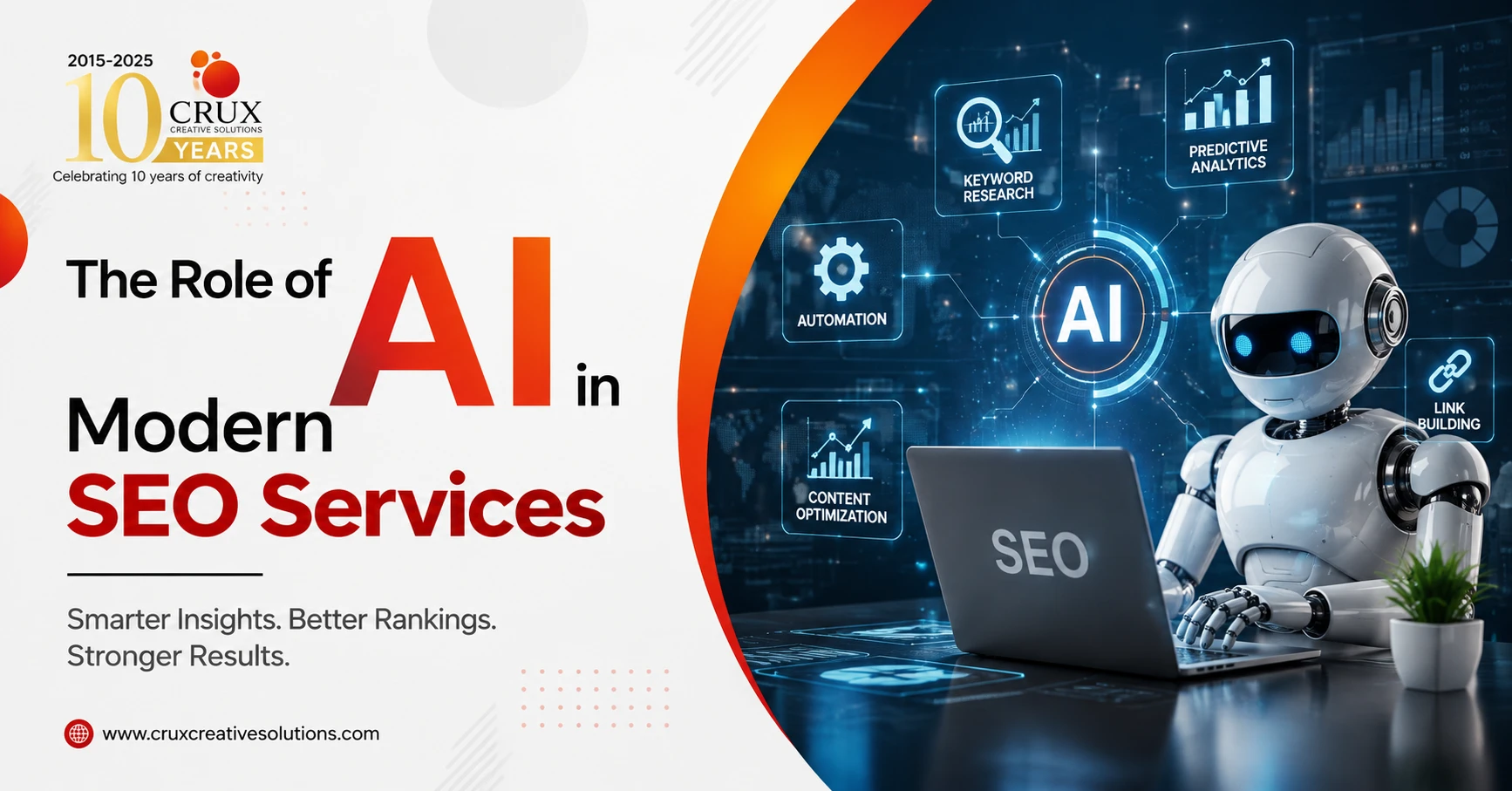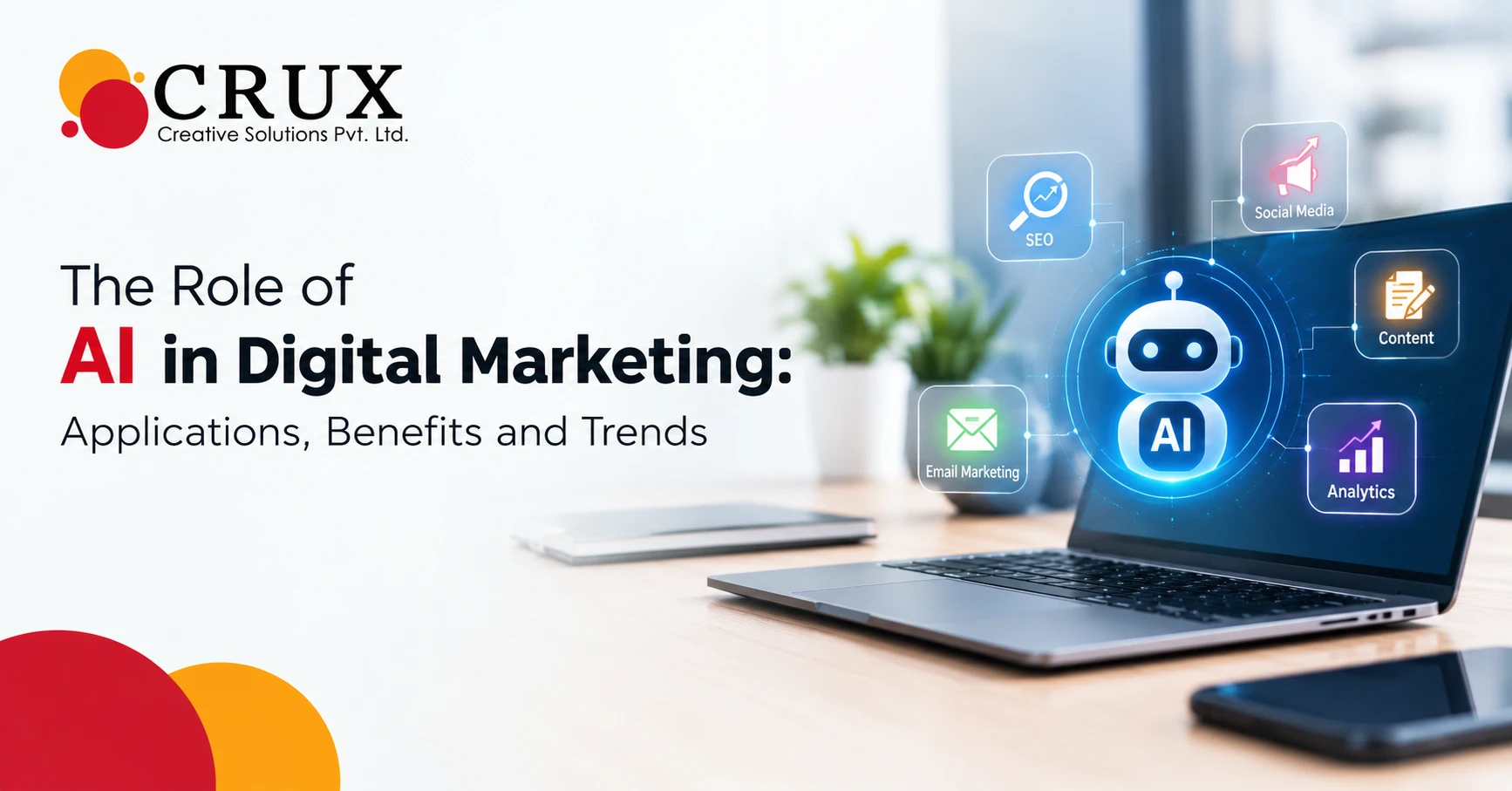
The Role of AI in Digital Marketing: Applications, Benefits and Trends
Digital marketing is becoming more competitive, and traditional approaches alone may not be enough to keep up with changing customer expectations. Marketers face growing pressure to create relevant content, reach the right audience, manage campaigns and prove results, often with limited time and resources. Without the right insights, businesses risk spending their budgets on campaigns that fail to connect with potential customers.
This is where the role of AI in digital marketing becomes important. Artificial intelligence helps businesses analyse customer behaviour, identify emerging trends, personalise campaigns and automate repetitive tasks. When combined with human creativity and strategic thinking, AI can help marketers make informed decisions, improve campaign efficiency and create more meaningful customer experiences.
What Is AI in Digital Marketing?
AI in digital marketing refers to the use of artificial intelligence technologies to analyse marketing data, understand customer behaviour, automate tasks and improve campaign decisions. These technologies help marketers identify patterns, predict outcomes and create more relevant customer experiences.
For example, an e-commerce business can use AI to analyse browsing behaviour and recommend products based on a customer's interests. A B2B company can analyse website interactions to identify potential leads and personalise follow-up communication.
How AI Works in Digital Marketing?
Several technologies support AI-driven marketing:
- Machine learning: Identifies patterns in customer behaviour and campaign performance.
- Natural language processing (NLP): Helps analyse search queries, customer feedback and conversational language.
- Predictive analytics: Uses historical data to estimate future outcomes, such as demand or the likelihood of a lead converting.
- Generative AI: Produces draft copy, campaign concepts, images and other creative assets based on prompts and available context.
These technologies can work together to support research, execution and performance analysis.
AI vs Traditional Marketing Automation
Traditional marketing automation follows predefined rules. For example, an email platform might send a welcome message whenever someone subscribes to a newsletter.
AI-powered systems can analyse additional signals, such as engagement history, to suggest which content a subscriber may find relevant or when they might be more likely to engage.
Both approaches have value. Automation handles repeatable processes, while AI can help interpret data and adapt decisions. The right choice depends on the task, available data and business objectives.
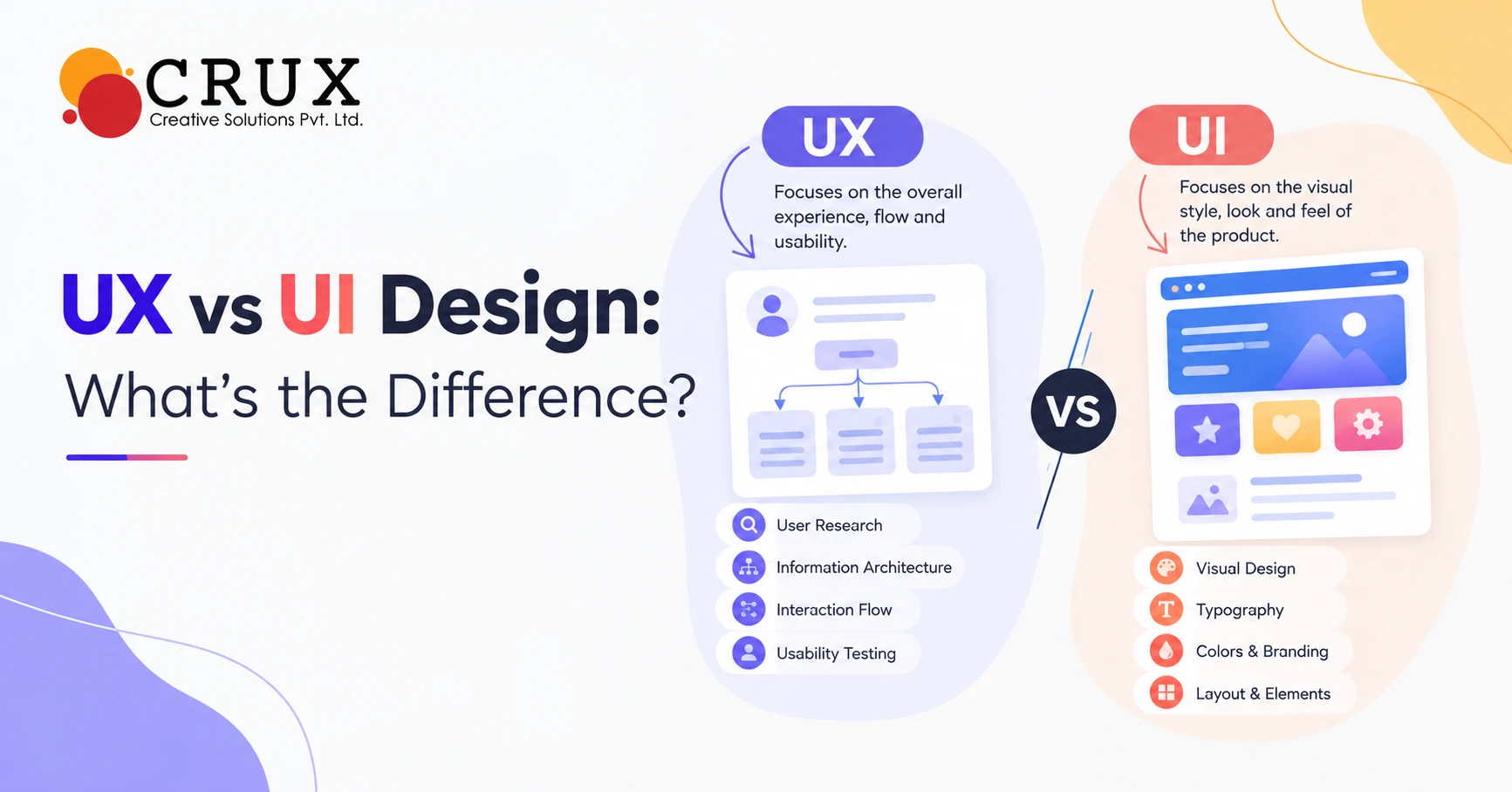
Learn more about the UX vs UI Design
How Is AI Used in Digital Marketing?
AI supports several marketing activities, from search optimisation and content creation to advertising and customer service.
| Marketing activity | How AI helps |
| Search engine optimisation | Analyses keywords, search intent and content gaps |
| Content marketing | Supports research, outlines, editing and repurposing |
| Paid advertising | Assists with bidding, audience analysis and creative testing |
| Social media | Analyses engagement, feedback and content performance |
| Email marketing | Supports segmentation and personalisation |
| Analytics | Identifies trends, anomalies and potential outcomes |
| Customer service | Powers chatbots and helps route customer queries |
| Video marketing | Assists with scripts, editing and creative variations |
AI in Search Engine Optimisation
AI helps SEO teams analyse large keyword sets, group queries by search intent and identify opportunities for new content. It can also assist with competitor content analysis, internal linking recommendations and the prioritisation of technical issues.
For instance, a company selling accounting software may discover that its audience searches for invoice automation, expense tracking and GST reporting. AI can help organise these queries into relevant content clusters.
However, AI recommendations require validation. Search volume, competition, business relevance and actual customer needs should guide the final strategy.
Read more about the SEO Services in Gurgaon
AI in Content Marketing
Generative AI can assist with blog outlines, social media captions, email drafts, content summaries and topic research. It can also help adapt a long-form article into shorter assets for different platforms.
The strongest results come from combining AI assistance with original research, expert insights and human editing. Content should answer genuine customer questions rather than repeat information already available elsewhere.
AI in Social Media Marketing
Social media teams can use AI to analyse engagement patterns, categorise comments, identify recurring customer concerns and develop content ideas.
For example, a skincare brand could review customer feedback to understand which product benefits generate the most interest. The team could then use those insights to plan educational posts and test different creative approaches.
AI can support planning, but marketers should review content for accuracy, tone and sensitivity before publishing.
AI in PPC and Paid Advertising
AI-powered advertising features can help marketers optimise bids, analyse audience signals and test creative combinations. Depending on the platform, automated systems can use campaign objectives and performance data to allocate spending across eligible placements.
Marketers still need to set clear conversion goals, monitor lead quality and check whether automated campaigns deliver commercially valuable results. More clicks do not always translate into more sales.
AI in Email Marketing and Automation
AI can help segment subscribers, suggest relevant product recommendations and identify potential improvements to email timing and subject lines.
A retailer, for instance, could send different product recommendations to first-time visitors and repeat customers. A B2B company could tailor follow-up emails according to the services a prospect has explored.
Businesses should use customer data responsibly and respect consent, privacy requirements and communication preferences.
AI in Customer Experience and Video Marketing
AI chatbots can answer routine questions, direct users to relevant resources and route complex enquiries to human teams. Video and design tools can also assist with script development, subtitles, editing and creative variations.
These applications can improve workflow efficiency, but customer-facing systems need clear escalation options. Human support remains important when a query involves a complaint, an unusual request or a sensitive decision.
What Are the Benefits of AI in Digital Marketing?
AI offers several practical benefits when businesses apply it to clearly defined marketing problems.
1. Faster Research and Workflows
AI can summarise research, organise keyword lists and produce initial drafts. This reduces time spent on repetitive tasks and gives marketing teams more time for strategy, creative development and quality checks.
2. Better Audience Segmentation
AI can identify patterns across customer interactions and help marketers group audiences according to interests, engagement or purchase behaviour. More relevant messaging can improve the customer experience without relying on the same campaign for everyone.
3. More Informed Decisions
AI-assisted analytics can bring together information from multiple campaigns and highlight patterns that deserve attention. Marketers can use these insights to investigate changes in traffic, engagement, lead quality and conversions.
4. Improved Campaign Testing
Teams can test different headlines, calls to action, landing pages and creative formats. AI may help generate variations or identify patterns in test results, while marketers determine which outcomes matter most.
5. Scalable Content Production
AI supports the development of content variations for different channels and audience segments. Human review helps maintain accuracy, originality, brand voice and relevance as production scales.
6. More Efficient Resource Allocation
Automation and predictive insights can help teams prioritise tasks and identify underperforming campaigns. Businesses can then direct time and budgets towards activities with stronger evidence of commercial value.
These benefits are not automatic. Results depend on data quality, implementation, campaign design and the team's ability to evaluate recommendations.
How AI Is Changing SEO, AEO and GEO
AI is changing how people discover information online. Businesses must make their content useful for traditional search engines as well as answer-driven and generative search experiences.
SEO, AEO and GEO serve related but distinct purposes. They should work together as part of a broader content and visibility strategy.
| Area | Main focus |
| SEO | Improving search engine discoverability and organic visibility |
| AEO | Making information clear and useful for question-and-answer experiences |
| GEO | Improving the potential visibility of content and brands in generative AI experiences |
AI for Keyword Research and Search Intent
AI can group related queries, identify common questions and help distinguish informational searches from commercial ones. This enables businesses to develop content that matches what their audiences actually need.
Human review remains important because similar phrases can reflect different intentions.
AI Overviews and Generative Search
AI-powered search experiences can combine information from multiple sources to provide summaries and links for further exploration. Google explains that foundational SEO practices, crawlability and helpful, reliable content remain relevant to its AI search features.
Businesses should maintain technically accessible websites, provide clear information and demonstrate relevant expertise. No particular writing format or optimisation technique guarantees inclusion in an AI-generated answer.
Answer-First Content and Topical Authority
Answer Engine Optimisation benefits from direct responses to genuine user questions, followed by useful explanations, examples and supporting evidence. Descriptive headings, comparison tables and concise definitions can make information easier to navigate.
Generative Engine Optimisation also benefits from consistent brand information, credible sources and original insights. Businesses should measure available indicators such as organic traffic, enquiries, brand mentions and AI referral traffic rather than assume visibility from content publication alone.
Best AI Marketing Tools and Their Uses
The best tools depend on the marketing problem a business wants to solve. Some platforms provide AI features within existing workflows, while others focus on specific tasks.
- SEO and keyword research: Tools such as Semrush and Ahrefs support keyword analysis, competitor research and content planning.
- Content research and writing: ChatGPT and similar generative AI tools can assist with brainstorming, outlining, drafting and summarising.
- Advertising and campaign analysis: Advertising platforms offer automated bidding, audience optimisation and creative testing features.
- Social media and design: Platforms such as Canva support creative production, while social media management tools help with scheduling and performance analysis.
- Marketing automation: CRM and email platforms can support lead scoring, segmentation, campaign workflows and personalised communication.
Before selecting a tool, assess its current features, pricing, integrations, data policies and suitability for your team. Avoid adopting software simply because it includes AI. The tool should solve a defined business problem and fit the existing workflow.
How Businesses Can Implement AI in Digital Marketing
A structured approach helps businesses introduce AI without creating unnecessary complexity.
- Define the objective. Identify the problem, such as slow content production, poor lead qualification or inefficient campaign reporting.
- Review existing data. Check whether customer records, analytics and campaign data are accurate, relevant and accessible.
- Choose suitable tools. Compare functionality, cost, security and integration requirements.
- Run a small pilot. Test one workflow or campaign before expanding its use.
- Review the output. Check factual accuracy, brand consistency, privacy and compliance.
- Measure results. Compare performance against a baseline using relevant indicators.
- Scale what works. Expand the process only when it demonstrates clear value.
Consider an e-commerce company that wants to improve repeat purchases. It could test personalised product recommendations and measure repeat conversion rates against a suitable comparison group.
A B2B service company could use AI to organise inbound enquiries by service interest and draft tailored follow-up emails. Its team would review lead quality, message accuracy and the number of qualified enquiries generated.
Challenges and Limitations of AI in Digital Marketing
AI can improve efficiency, but businesses must manage its limitations.
Inaccurate Information
AI-generated text can contain incorrect facts, unsupported claims or invented references. Verify factual statements and use reliable primary sources, especially for technical, financial or regulated topics.
Privacy and Data Protection
Customer information should not be entered into tools without appropriate safeguards. Businesses must review data handling, access permissions, consent requirements and applicable privacy laws.
Generic Content and Brand Voice
AI-generated material can sound repetitive or lack meaningful insight. Add original examples, expert commentary and audience-specific context rather than publishing unedited drafts.
Bias and Over-Reliance on Automation
Historical data can contain biases that influence automated recommendations. Review outputs for unfair patterns and keep human oversight over important decisions.
Costs and Integration
AI tools may require subscriptions, training, data preparation and technical integration. Businesses should consider the full cost of implementation rather than just the advertised subscription price.
Google's guidance emphasises helpful, people-first content and warns against generating large volumes of pages primarily to manipulate search rankings. AI can be part of a legitimate content workflow, but publishing at scale without meaningful value or oversight creates risks.
How Crux Creative Solutions Helps Businesses Adapt to AI-Driven Marketing?
Businesses need a connected digital strategy to turn emerging technologies into meaningful results. Crux Creative Solutions supports this process through services that align online visibility, content and creative communication with business objectives.
Its services include:
- SEO strategy: Improve website structure, content relevance and organic search visibility. Businesses looking for a seo agency in Gurgaon can explore Crux's SEO services.
- Answer Engine Optimisation: Structure useful information around customer questions and answer-driven discovery through AEO services.
- Generative Engine Optimisation: Develop a strategy for brand and content visibility across generative search experiences through GEO services.
- AI video production: Support creative communication with AI-assisted video concepts and production through AI video production services.
- Website and landing-page optimisation: Align content, design and conversion paths with user intent.
As a creative design agency, Crux can help businesses communicate their message through consistent visual identities and digital experiences. Organisations evaluating a digital marketing agency in Gurgaon can discuss their goals, audience and current marketing challenges before choosing the right mix of services.
To explore how AI-assisted marketing, search optimisation and creative strategy can support your business, connect with Crux Creative Solutions to discuss your digital marketing objectives.

Princy Cycil
Meet Princy Cycil, Senior content writer of Crux, with 6 years of experience. She has written for tech, education, healthcare, finance, e-commerce, travel, FMCG, and lifestyle brands. A B.Com graduate, she started her career with accounting but realized she loves words more than numbers. She creates blogs, social media posts, and web content that connect and engage. When she's not writing, she's reading books, binge-watching Netflix, or sipping coffee.
Share:



 Shelly Bhasin Bawa