The Role of AI in Modern SEO Services
Search engine optimisation looks very different today compared to just a few years ago. Rankings once depended heavily on keyword stuffing and backlink counts, but search engines have grown far smarter at understanding intent. Businesses that still rely on outdated tactics often find themselves falling behind competitors who have adapted to newer methods. This shift has pushed technology, and specifically artificial intelligence, into the centre of modern search strategy.
Staying visible online now requires more than just following a checklist. Search engines analyse user behaviour, content quality, and relevance in ways that are difficult to manage manually. Businesses need tools and strategies that can keep pace with these constant changes without draining time and resources. This is exactly where technology has started playing a much bigger role in everyday SEO work.
Understanding the Shift Toward Smarter Optimisation
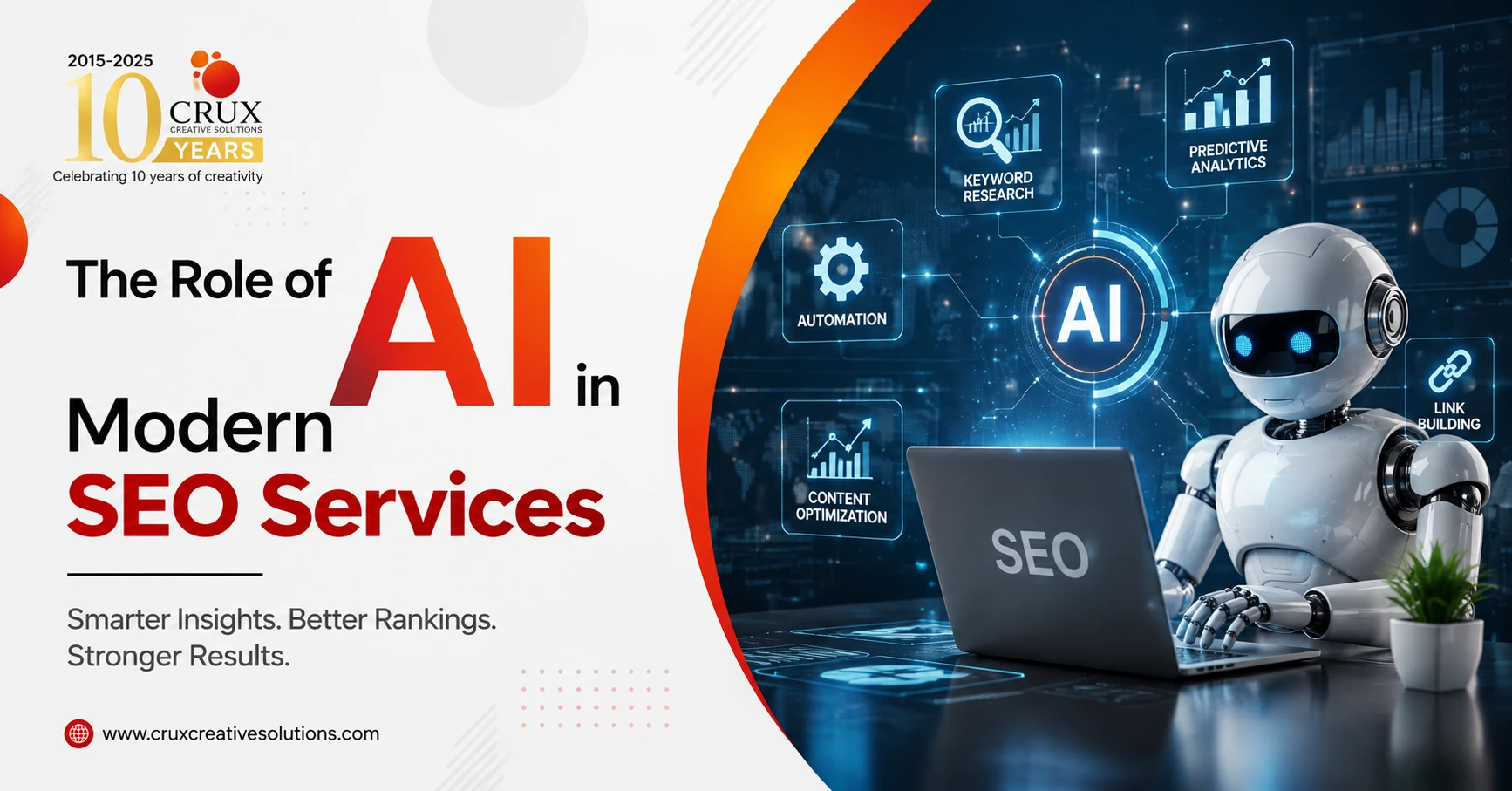
Traditional SEO required teams to manually research keywords, track rankings, and analyse competitors one by one. This process was time-consuming and often left room for human error or missed opportunities. Businesses offering AI SEO Services now use smarter systems to handle these repetitive tasks with far greater speed and accuracy. This shift allows teams to focus more on strategy and creativity rather than spending hours on manual research alone.
The impact of this shift goes beyond just saving time. Smarter systems can process massive amounts of data that would take humans weeks to analyse properly. This means businesses can spot trends, gaps, and opportunities much earlier than before. As a result, companies using these newer methods often adapt to search changes faster than those still relying purely on traditional approaches.
How Intelligent Systems Are Reshaping Search?
Search engines themselves have become far more sophisticated in how they evaluate content. The presence of Artificial Intelligence in SEO is not limited to tools used by marketers; it also shapes how search engines rank and understand web pages. Google's own algorithms now assess context, user satisfaction, and content depth rather than just matching exact keywords. This means content needs to genuinely answer questions rather than simply repeating search terms multiple times.
This shift has changed how content creators approach writing entirely. Instead of focusing narrowly on keyword density, writers now need to think about topic coverage and natural language. Search engines reward content that reads naturally and provides real value to readers. Businesses that understand this shift tend to create content that performs better and lasts longer in search rankings.
What Sets This Approach Apart?
Not all SEO methods are created equal, especially as technology continues to advance. AI-Powered SEO stands apart because it can adapt strategies in real time based on live performance data instead of relying on outdated reports. This allows businesses to react quickly to ranking changes, algorithm updates, or shifts in audience behaviour. Traditional methods, by comparison, often involve delayed reporting and slower decision-making.
This adaptability brings a clear advantage in competitive industries. Systems can test multiple content variations, headlines, or meta descriptions much faster than a human team working alone. They can also predict which keywords are likely to perform well before competitors even notice the opportunity. Over time, this speed and precision often translate into stronger, more consistent search visibility.
Strategies That Reflect Today's Search Landscape
SEO today requires a much broader approach than it did even five years ago. Modern SEO Strategies now combine technical optimisation, content quality, user experience, and data analysis into one connected process. Businesses can no longer treat these areas as separate tasks handled by different teams working in isolation. Instead, successful strategies bring everything together under one clear, data-informed plan.
This broader approach also means paying closer attention to how users actually interact with a website. Page speed, mobile usability, and clear navigation all influence rankings just as much as content quality does. Businesses that ignore these technical details often see limited results, even with strong content. A well-rounded strategy considers every part of the user journey, not just the words on a page.
Tools That Simplify Everyday SEO Work
Managing SEO manually across a large website can quickly become overwhelming without the right support. SEO Automation Tools help teams handle repetitive tasks like site audits, rank tracking, and reporting without constant manual effort. These tools free up valuable time that can be redirected toward strategy, content creation, and creative planning. Businesses using these tools often notice fewer missed issues and faster identification of technical problems.
Automation also brings a level of consistency that manual processes sometimes lack. Reports get generated on schedule, audits run without being forgotten, and alerts flag issues before they become major problems. This reliability allows teams to catch ranking drops or technical errors early, rather than discovering them weeks later. Over time, this consistent monitoring becomes one of the biggest advantages for businesses managing SEO at scale.
Practical Steps to Bring AI Into Your SEO Plan
Adopting newer technology does not need to happen all at once. Small, steady changes often work better than a complete overhaul of existing processes. Businesses can start by identifying which repetitive tasks take up the most time each week. Below are a few practical steps worth considering.
- Use automated tools for routine site audits and technical error tracking.
- Apply data-driven insights when planning keyword and content strategies.
- Test different headlines or meta descriptions using performance data.
- Monitor search trends regularly to catch new opportunities early.
- Combine automated reporting with human review for accuracy and context.
These steps allow businesses to gradually integrate smarter systems without disrupting existing workflows. Starting small also gives teams time to understand what works best for their specific website and audience. Over several months, these adjustments often lead to noticeably better efficiency and stronger search performance. The goal is not to remove human judgment entirely, but to support it with faster, more accurate information.
Conclusion
Search engine optimisation continues to evolve, and technology now plays a central role in how businesses stay visible online. What once required hours of manual work can now be handled more efficiently, freeing up time for strategy and creativity. Businesses that adapt to these changes early often gain a clear advantage over competitors still relying on outdated methods. Staying informed about these shifts is no longer optional for anyone serious about long-term search visibility.
At the same time, technology works best when paired with genuine human insight and creativity. Tools can process data quickly, but understanding audience needs still requires a thoughtful, human touch. Businesses that combine both elements tend to build stronger, more sustainable search strategies over time. As search continues to change, this balance between smart technology and genuine content quality will likely remain the real key to lasting success.

Princy Cycil
Meet Princy Cycil, Senior content writer of Crux, with 6 years of experience. She has written for tech, education, healthcare, finance, e-commerce, travel, FMCG, and lifestyle brands. A B.Com graduate, she started her career with accounting but realized she loves words more than numbers. She creates blogs, social media posts, and web content that connect and engage. When she's not writing, she's reading books, binge-watching Netflix, or sipping coffee.
Share:



 Shelly Bhasin Bawa